Product Description
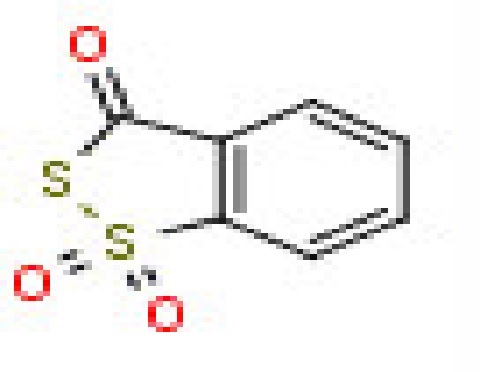
Chemical name: Beaucage reagent
Synonyms: 3H-1,2-Benzodithiol-3-one1,1-dioxide
Cas no: 66304-01-6
Purity: 98%
Molecular formula: C7H4O3S2
Molecular Weight:200.2
Appearance:solid Efficient Sulfurization Agent for Oligonucleotide SynthesisBeaucage reagent is a highly effective sulfurization compound crucial for incorporating sulfur into phosphate backbones during the automated synthesis of oligonucleotides. Its robust performance ensures precise modification, which is essential for developing reliable therapeutic and diagnostic oligonucleotides. The reagent is stable under dry conditions, allowing scientists to synthesize high-quality oligonucleotide analogs with enhanced biological stability.
Strict Quality and Packaging StandardsOffered as a solid-either crystalline or powder form-in sizes ranging from 1g to 25g, Beaucage reagent is manufactured to analytical and molecular biology grade specifications. Each batch meets a purity of at least 98%, ensuring consistent results. The product is packaged to protect it from moisture and air, supporting a shelf life of 12-24 months when stored between 2-8C in tightly closed containers.
FAQ's of Beaucage reagent:
Q: How is Beaucage reagent used in oligonucleotide synthesis?
A: Beaucage reagent serves as a sulfurization agent in automated oligonucleotide synthesis, converting phosphate triesters into phosphorothioate linkages to enhance the stability and activity of synthesized oligonucleotides.
Q: What solvents are compatible with Beaucage reagent during synthesis processes?
A: The reagent is compatible with acetonitrile, dichloromethane, and toluene. It dissolves readily in these solvents, supporting efficient sulfurization reactions during DNA or RNA synthesis.
Q: When should Beaucage reagent be handled with special precautions?
A: Special precautions are necessary at all times; it is classified as an irritant and is poisonous. Use with adequate ventilation, avoid direct skin contact, and prevent exposure to moisture to maintain reagent integrity and ensure safety.
Q: Where should Beaucage reagent be stored to maximize shelf life?
A: Store the reagent at 2-8C in a tightly closed container, away from air and moisture. Proper storage conditions help ensure product stability for 12-24 months.
Q: What is the procedure for disposing of unused Beaucage reagent?
A: Dispose of Beaucage reagent as hazardous organic laboratory waste in accordance with institutional and environmental safety protocols, due to its toxic and irritant properties.
Q: What are the main benefits of using Beaucage reagent in molecular biology applications?
A: The reagent provides rapid and efficient sulfurization, yielding oligonucleotides with modified backbones that offer increased resistance to nuclease degradation, which is beneficial for research and therapeutic applications.
Q: Can I obtain analytical data such as NMR or MS for Beaucage reagent?
A: Yes, NMR and mass spectral data are available upon request to verify the reagent's identity and purity before use in critical synthesis steps.






 Send Inquiry
 Send Inquiry
 Send SMS
 Call Me Free


