Product Description
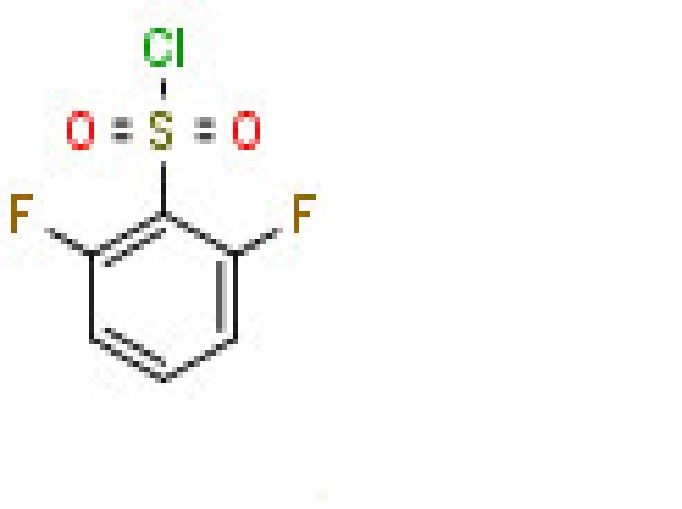
Chemical Name: 2,6-Difluorobenzenesulfonyl chloride
Synonyms :2,6-difluorobenzene sulfonyl chloride
CAS No : 60230-36-6
Purity : 98%
MolecularFormula :C6H3ClF2O2S
Molecular Weight:212.6
Appearance : LiquidVersatile Applications in Chemical SynthesisThis reagent is widely applied in the pharmaceutical industry as an intermediate, and in the production of agrochemicals and specialty chemicals. Its molecular structure allows for effective sulfonylation, making it valuable for researchers and manufacturers the development of complex compounds.
Safety and Handling Precautions2,6-Difluorobenzenesulfonyl chloride is classified as hazardous (according to GHS) and corrosive (UN 3261, Class 8). Always use protective gear such as gloves, clothing, and eye shields when handling. Store the compound in tightly closed containers, protected from moisture, to prevent hydrolysis and maintain stability. Adequate ventilation is recommended during use.
Optimal Storage and StabilityThe solid form is stable under standard storage-cool, dry, and moisture-free environments are essential to preserving its 1-2 year shelf life. Polyethylene-lined or glass containers are ideal for packing. Exposure to water or humidity should be strictly avoided as it breaks down the chemical, reducing its efficacy and safety.
FAQ's of 2,6-Difluorobenzenesulfonyl chloride:
Q: How should 2,6-Difluorobenzenesulfonyl chloride be safely handled in the laboratory?
A: Always wear appropriate protective clothing, chemical-resistant gloves, and eye/face protection. Work in a well-ventilated area to avoid inhaling fumes and prevent exposure to skin and eyes, as this compound is highly corrosive and causes severe burns.
Q: What is the recommended storage method for this compound?
A: Store 2,6-Difluorobenzenesulfonyl chloride in a tightly sealed polyethylene-lined container or glass bottle in a cool, dry environment. Protect it from moisture to prevent hydrolysis and decomposition.
Q: When is this reagent typically used in chemical synthesis?
A: This reagent is commonly employed during organic sulfonylation reactions, especially when synthesizing pharmaceutical intermediates, agrochemicals, or specialty chemicals.
Q: Where is this product most beneficial for application?
A: It is especially beneficial in research and manufacturing settings involving pharmaceutical or agrochemical production, where high-purity sulfonylating agents are required for complex molecular transformations.
Q: What processes require the use of 2,6-Difluorobenzenesulfonyl chloride?
A: It is primarily used in processes such as introducing sulfonyl groups into organic molecules, an essential step in the synthesis of sulfonamide derivatives and related compounds.
Q: How does moisture affect the stability and quality of this compound?
A: Moisture triggers hydrolysis, leading to decomposition of the compound and reducing its reactivity and safety. Therefore, it is critical to store and handle it in dry, moisture-free conditions.






![Dibenzo[b,d]furan-2-sulfonyl chloride](https://cpimg.tistatic.com/10879251/b/4/Dibenzo-b-d-furan-2-sulfonyl-chloride.jpg?tr=w300)
 Send Inquiry
 Send Inquiry
 Send SMS
 Call Me Free


