Product Description
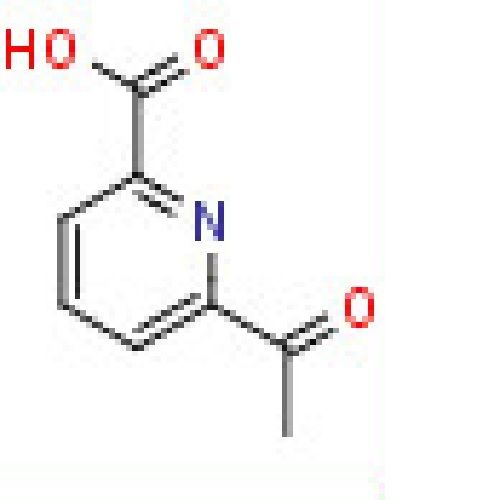
Chemical Name: 6-Acetyl-2-pyridinecarboxylicacid
Synonyms :6-acetylpyridine-2-carboxylic acid
| 6-acetyl-2-pyridinecarboxylic acid
| 6-acetyl-pyridine-2-carboxylic acid
Cas No : 122637-39-2
Purity : 95%
MolecularFormula : C8H7NO3
Molecular Weight :165.1Versatile Chemical for Advanced Research6-Acetyl-2-pyridinecarboxylic acid is essential for laboratories involved in organic synthesis, pharmaceutical research, and chemical development. Thanks to its stability under normal storage and broad compatibility with organic solvents, it is a preferred choice for synthesizing heterocyclic compounds and as an intermediate in drug discovery.
Safe Handling and Storage GuidelinesTo ensure safety, this compound should be handled with protective clothing and safety glasses. Direct contact and inhalation should be avoided, as it may cause irritation. Store the product in a tightly closed container, away from light, in a cool and dry location to preserve its shelf life of up to 24 months.
FAQs of 6-Acetyl-2-pyridinecarboxylic acid:
Q: How is 6-Acetyl-2-pyridinecarboxylic acid typically synthesized?
A: It is commonly produced by the acylation of a 2-pyridinecarboxylic acid precursor, leading to the addition of an acetyl group at the 6-position of the pyridine ring.
Q: What are the recommended storage conditions for this compound?
A: Store the product in a tightly sealed container within a cool, dry place, avoiding exposure to light to maintain stability and purity for up to 24 months.
Q: Where is 6-Acetyl-2-pyridinecarboxylic acid primarily used?
A: It is mainly used in organic synthesis laboratories, pharmaceutical research facilities, and in the preparation of heterocyclic compounds during chemical R&D projects.
Q: What precautions should be observed when handling this substance?
A: Wear appropriate protective clothing and safety glasses. Avoid inhalation and prevent contact with skin or eyes, as the substance is an irritant. Use standard laboratory safety protocols.
Q: What are the benefits of using this compound in research?
A: Its high purity and stability make it highly suitable for reliable analytical results, consistent synthesis outcomes, and as a reactive intermediate in complex pharmaceutical development.
Q: Is 6-Acetyl-2-pyridinecarboxylic acid classified as hazardous for transport or the environment?
A: No, this compound is not regulated as a hazardous material for transport and is not classified as an environmental hazard. However, standard lab safety procedures should be followed.






 Send Inquiry
 Send Inquiry
 Send SMS


