Product Description
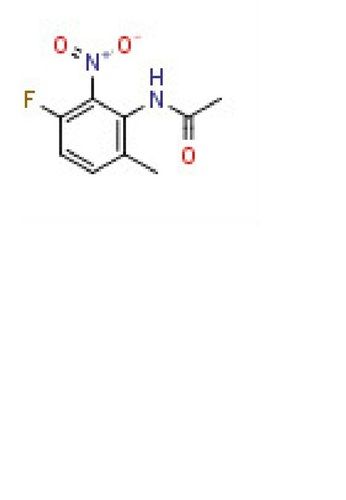
Chemical Name: 2-Acetamido-4-fluoro-3-nitrotoluene
Synonyms : N-(3-fluoro-6-methyl-2-nitrophenyl)acetamide
Cas No : 1355247-77-6
Purity : 98%
MolecularFormula : C9H9FN2O3
Molecular Weight: 212.2
Appearance: Solid
Key Features and Chemical PropertiesThis compound boasts a purity of over 98% and is supplied as a crystalline, moisture-sensitive solid. Its notable features include a melting point of 110-114C and density of 1.41 g/cm3. It is slightly soluble in water but dissolves well in organic solvents such as dichloromethane and chloroform. With stability guaranteed under recommended conditions, the material is suitable for precise laboratory applications.
Safe Handling and Storage RequirementsOwing to its corrosive and hazardous nature, users must wear appropriate protective apparel such as gloves, eye and face protection, and lab coats when handling the material. Store in a cool, dry place, ideally under inert atmosphere and away from moisture to prevent decomposition. Ensure the container is tightly sealed when not in use to maximize shelf life and maintain product integrity.
Applications in Synthesis and Industry4-Acetamido-2-fluoro-5-methylbenzenesulfonyl chloride functions as a critical intermediate in pharmaceutical and agrochemical synthesis. Its high reactivity and chemical stability make it valuable in creating sulfonamide and urea derivatives. Researchers and industrial chemists benefit from its reliable performance and quality-assured packaging, streamlining complex organic transformations.
FAQ's of 4-Acetamido-2-fluoro-5-methylbenzenesulfonyl chloride:
Q: How should 4-Acetamido-2-fluoro-5-methylbenzenesulfonyl chloride be stored after opening?
A: After opening, it should be stored in a tightly sealed HDPE or amber glass bottle in a cool, dry place, preferably under an inert atmosphere, and used within 6 months to maintain chemical integrity.
Q: What personal protective equipment is required when handling this compound?
A: Suitable protective clothing, impervious gloves, and eye or face protection should always be worn due to its corrosive properties and risk of causing severe burns and eye damage.
Q: When does decomposition of the compound occur and what gases are released?
A: The compound decomposes before boiling, especially if exposed to water or moisture, releasing hazardous gases including hydrogen chloride, sulfur oxides, carbon oxides, and nitrogen oxides.
Q: Where can I find the Certificate of Analysis for this product?
A: A Certificate of Analysis, detailing the compound's purity and analytical data, is readily available upon request from the supplier or trader in India.
Q: What are the key benefits of using this chemical in pharmaceutical research?
A: Its high purity, reactivity, and stability under proper storage conditions make it an excellent intermediate for synthesizing sulfonamide and urea derivatives, streamlining pharmaceutical research and production.
Q: How is the chemical typically used in the industry?
A: It is used as a chemical reagent and intermediate in manufacturing pharmaceuticals and agrochemicals, particularly for producing sulfonamides and related derivatives.
Q: What precautions should be taken if the product comes into contact with water?
A: As it reacts with water to liberate hydrogen chloride gas, avoid exposing the compound to any moisture and handle only under dry conditions in a well-ventilated area.







 Send Inquiry
 Send Inquiry
 Send SMS
 Call Me Free


