Product Description
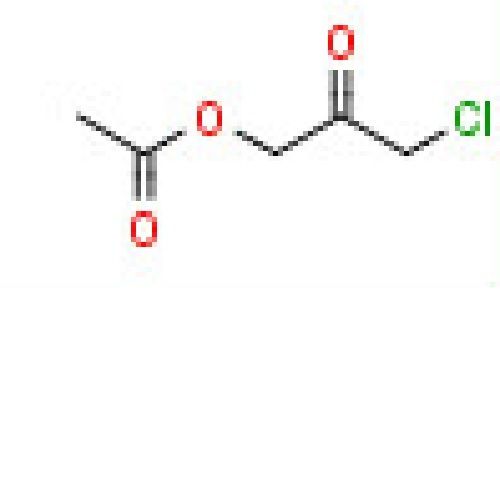
Chemical Name: 1-Acetoxy-3-chloroacetone
Synonyms :3-chloro-2-oxopropylacetate
|2-Propanone,1-(acetyloxy)-3-chloro- |(3-chloro-2-oxopropyl) acetate
|1-Acetoxy-3-chloropropan-2-one|1-Acetoxy-3-acetenyl Chloride
|1-Acetoxy-3-chloro-2-propanone|Chlorohydroxyacetone acetate
|1-Acetyloxy-3-chloroacetone
Cas No : 40235-68-5
Purity : 98%
MolecularFormula : C5H7ClO3
Molecular Weight: 150.6
Appearance:LiquidHigh-Quality Intermediate for Synthesis3-Chloro-2-oxopropyl acetate is an industrial-grade chemical intermediate, notable for its stability and purity above 98%. Its chlorinated ester structure allows it to efficiently engage in organic transformations, making it an essential building block in pharmaceutical, agrochemical, and specialty chemical manufacturing processes.
Safe Storage and Handling RecommendationsThe product is stable under recommended storage conditions-cool, dry, and well-ventilated areas, away from ignition sources. Packaging in HDPE barrels or glass bottles ensures minimal exposure to moisture, thus preventing hydrolysis. Use protective clothing, gloves, and eye/face protection when handling to mitigate harmful effects.
Reliable Supply and TransportThis compound is supplied in compliant HDPE barrels or glass bottles from India and is not classified as dangerous goods according to IATA and IMDG regulations. Its secure packaging and non-hazardous classification streamline both domestic and international transport for industrial users.
FAQ's of 3-chloro-2-oxopropyl acetate:
Q: How should 3-chloro-2-oxopropyl acetate be safely handled and stored?
A: Handle the liquid using appropriate protective clothing, gloves, and eye/face protection to avoid inhalation or skin and eye contact. Store in cool, dry, and well-ventilated areas, away from heat, ignition sources, and incompatible substances like strong bases and oxidizers. Packaging in HDPE barrels or glass bottles helps maintain stability.
Q: What is the main use of 3-chloro-2-oxopropyl acetate in industry?
A: Primarily, this compound acts as a building block in the synthesis of pharmaceuticals, agrochemicals, and fine chemicals. Its stable, reactive ester functionality makes it versatile in a range of organic synthesis applications.
Q: When should this chemical be used during the manufacturing process?
A: 3-Chloro-2-oxopropyl acetate is typically used at intermediate stages of chemical synthesis, where its chlorinated and acetyl characteristics enable further transformation into advanced intermediates or active pharmaceutical and agrochemical ingredients.
Q: Where should the product be stored to maintain optimal stability?
A: For best results, store the chemical in a dedicated chemical storage area that is cool, dry, well-ventilated, and away from sources of heat, ignition, and moisture. Proper storage greatly extends shelf life and minimizes risk of hydrolysis.
Q: What are the benefits of using this compound as a synthesis intermediate?
A: Its high purity and stable chlorinated ester structure facilitate reliable and predictable chemical reactions in fine chemical manufacturing. This reduces byproduct formation and enhances yields in multi-step organic syntheses.
Q: How is 3-chloro-2-oxopropyl acetate manufactured?
A: The compound is produced by acetylating 3-chloro-2-oxopropanol, resulting in a highly pure and stable ester suitable for further chemical transformations in industrial processes.
Q: What precautions should be taken during transport of this product?
A: Although not regulated as a dangerous good by IATA or IMDG, ensure the chemical is securely sealed in approved packaging, kept upright, and protected from physical damage and temperature extremes during transportation.






 Send Inquiry
 Send Inquiry
 Send SMS


