Product Description
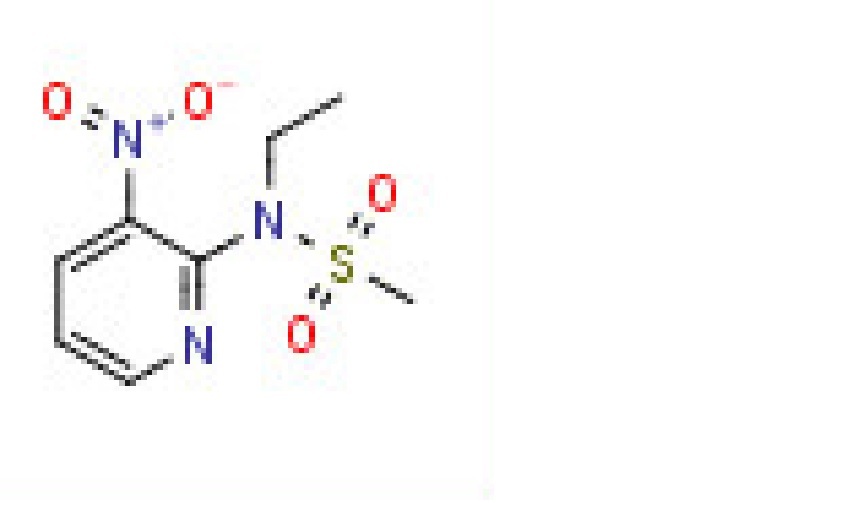
Chemical Name: 2-(N-Ethyl-N-methanesulfonyl)amino-3-nitropyridine
Synonyms :N-Ethyl-N-(3-nitropyridin-2-yl)methanesulfonamide
CAS No : 1820741-36-3
Purity : 96%
MolecularFormula : C8H11N3O4S
Molecular Weight:245.3
Appearance : SolidHigh Chemical Stability and PurityThis compound boasts a purity greater than 98% and maintains exceptional stability under recommended storage conditions. With a light yellow crystalline appearance, it remains stable for up to two years when securely stored in a cool, dry environment, ensuring reliability for ongoing laboratory or research projects.
Versatile Applications in Research and Development2-(N-Ethyl-N-methanesulfonyl)amino-3-nitropyridine serves as a valuable intermediate for pharmaceutical research, drug discovery, and various organic synthesis processes. Its chemical integrity and adaptable solubility make it a preferred choice for research laboratories, especially in fields demanding stringent quality standards.
Safe and Convenient HandlingAlthough non-poisonous and classified as non-hazardous for transport, it is essential to handle this reagent with care-using protective gloves and eyewear, and avoiding direct contact or inhalation. The compound is shipped in sealed containers to preserve purity and safety throughout transport and storage.
FAQ's of 2-(N-Ethyl-N -methanesulfonyl)amino-3-nitropyridine:
Q: How should 2-(N-Ethyl-N-methanesulfonyl)amino-3-nitropyridine be handled during laboratory use?
A: This compound should be handled with gloves and eye protection to avoid skin contact and inhalation. Use standard laboratory safety procedures, and ensure the area is well-ventilated.
Q: What are the main applications of this chemical in research and industry?
A: It is primarily used as an intermediate in pharmaceutical development, drug discovery, and organic synthesis, serving as a versatile raw material for various chemical processes.
Q: When does the product start to decompose, and at what conditions should it be stored?
A: This compound decomposes before it boils and should be stored in a cool, dry place sealed tightly. Under these conditions, it remains stable for up to two years.
Q: Where can this compound be transported, and are there any special shipping hazards?
A: It is classified as non-hazardous for transport and is non-regulated, allowing for safe shipment to most destinations when packed in sealed containers.
Q: What is the process for ordering and what is the minimum quantity available?
A: The minimum order quantity is 1 gram. Orders can be placed specifying the required packaging size (1g, 5g, 10g, or custom amounts) as per laboratory requirements.
Q: How can this compound benefit pharmaceutical research and synthesis?
A: Its high purity, chemical stability, and versatility make it an ideal intermediate for developing new pharmaceuticals and synthesizing complex organic compounds, supporting innovative research projects.






![2,3-Dihydro-benzo[1,4]dioxine-6-sulfonic acid amide](https://cpimg.tistatic.com/11241797/b/4/2-3-Dihydro-benzo-1-4-dioxine-6-sulfonic-acid-amide.jpg?tr=w300)

 Send Inquiry
 Send Inquiry
 Send SMS


