Product Description
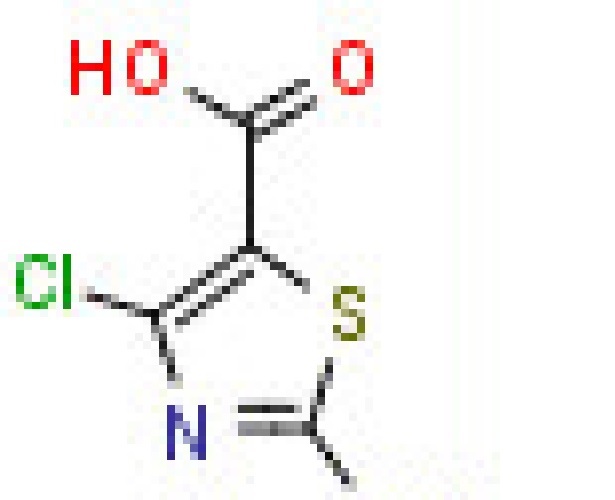
Chemicalname: 2-Amino-4-chloro-1,3-thiazole-5-carboxylic acid
Cas no: 1255772-87-2
Purity: 95%
Molecular formula: C4H3ClN2O2S
Molecular Weight: 178.6
Appearance: Solid
Versatile Chemical IntermediateThis compound serves as a crucial intermediate in pharmaceutical manufacturing and broader organic syntheses. Its chemical stability and high purity make it a dependable choice for researchers and industrial chemists alike, contributing to the efficiency and quality of downstream products.
Safe Handling and StorageAlthough 2-Amino-4-chloro-1,3-thiazole-5-carboxylic acid is non-hazardous and non-poisonous, standard laboratory PPE and common safety protocols are recommended during handling to avoid contact with skin, eyes, or accidental ingestion. Store in a sealed container at 2-8C for optimal stability and shelf life.
FAQ's of 2-Amino-4-chloro- 1,3-thiazole-5-carboxylic acid:
Q: How should 2-Amino-4-chloro-1,3-thiazole-5-carboxylic acid be stored for maximum stability?
A: This compound should be stored in a cool, dry environment at a temperature between 2-8C, with the container tightly sealed to maintain its integrity and ensure a shelf life of at least two years.
Q: What is the recommended usage of 2-Amino-4-chloro-1,3-thiazole-5-carboxylic acid?
A: It is primarily used as an intermediate in pharmaceutical and organic chemical synthesis. The product is intended for research, lab-scale reactions, or as a building block in the manufacturing of bulk chemicals and pharmaceuticals.
Q: When is a Certificate of Analysis (COA) provided for this product?
A: A Certificate of Analysis is available upon request and is typically supplied with each batch to certify its purity, physical properties, and analytical data relevant to quality assurance.
Q: Where can this product be transported and is it regulated as hazardous?
A: 2-Amino-4-chloro-1,3-thiazole-5-carboxylic acid is not classified as hazardous for transport under standard regulations, allowing it to be shipped easily domestically and internationally, provided storage and handling protocols are followed.
Q: What precautions should be taken during handling and what personal protective equipment is necessary?
A: Users should wear standard laboratory PPE, such as gloves, lab coat, and eye protection, and take care to avoid inhalation, ingestion, or skin and eye contact, following established safety protocols.
Q: How can this compound be beneficial for research and industrial applications?
A: Its high purity and chemical stability make it ideal for use as a reliable intermediate, improving the consistency and quality of chemical syntheses in both research and industrial settings.






 Send Inquiry
 Send Inquiry
 Send SMS


