Product Description
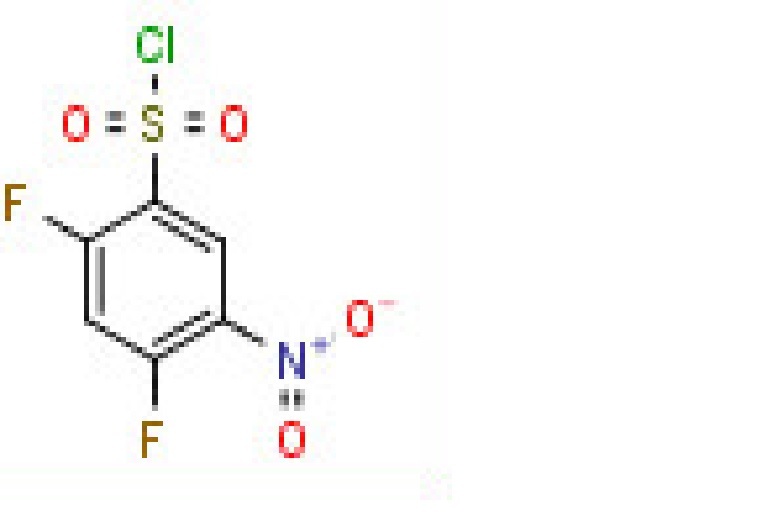
Chemical Name: 2,4-Difluoro-5-nitrobenzenesulfonyl chloride
Synonyms :2,4-difluoro-5-nitrobenzene-1-sulfonyl chloride
CAS No : 1780-83-2
Purity : 95%
MolecularFormula : C6H2ClF2NO4S
Molecular Weight:257.6
Reactive Intermediate for Advanced SynthesisThe powerful sulfonyl chloride functionality of 2,4-Difluoro-5-nitrobenzenesulfonyl chloride makes it an essential intermediate in crafting novel pharmaceuticals, agrochemicals, and specialty chemicals. Its high reactivity allows for effective functional group introductions, expanding possibilities in the synthesis of complex organic compounds.
Strict Safety and Packaging Measures EmployedDue to its potential hazards, including skin and respiratory irritancy, this substance is strictly packaged in sealed HDPE containers. Safety protocols such as working in ventilated spaces, wearing protective equipment, and avoiding direct contact are essential during handling, ensuring safe use in industrial and research settings.
FAQ's of 2,4-Difluoro-5-nitrobenzenesulfonyl chloride:
Q: How should 2,4-Difluoro-5-nitrobenzenesulfonyl chloride be safely handled?
A: Always handle this chemical in a well-ventilated area and avoid direct skin or eye contact by wearing appropriate protective equipment. Prevent inhalation of dust or vapors, and immediately wash off any accidental contact. Follow all local safety guidelines and use within a controlled laboratory or industrial environment.
Q: What are the main uses of 2,4-Difluoro-5-nitrobenzenesulfonyl chloride?
A: This compound is primarily used as an intermediate in the synthesis of pharmaceuticals, agrochemicals, and fine chemicals due to its highly reactive sulfonyl chloride group, which facilitates derivatization and structural modification.
Q: When does 2,4-Difluoro-5-nitrobenzenesulfonyl chloride begin to decompose?
A: The compound decomposes before reaching its boiling point and has a melting point of 68-71C. It reacts with water and should never be subjected to high heat or moisture to prevent hazardous decomposition.
Q: Where should this chemical be stored for maximum shelf life?
A: For optimal stability, store it in a tightly closed container made of HDPE, keep it dry, away from moisture, and in a cool, well-ventilated area. Under these conditions, its shelf life extends up to 24 months.
Q: What precautions should be taken during transportation of this substance?
A: As it is classified under UN 3261, Transport Hazard Class 8 (Corrosive), it must be transported in sealed packaging compliant with international hazardous goods regulations, ensuring complete containment to prevent leaks or exposure.
Q: What benefits does this sulfonyl chloride provide in chemical synthesis?
A: Its high purity and reactivity offer versatility for various derivatization reactions, enhancing efficiency and selectivity in developing advanced pharmaceutical compounds and specialty chemicals.






 Send Inquiry
 Send Inquiry
 Send SMS


