Product Description
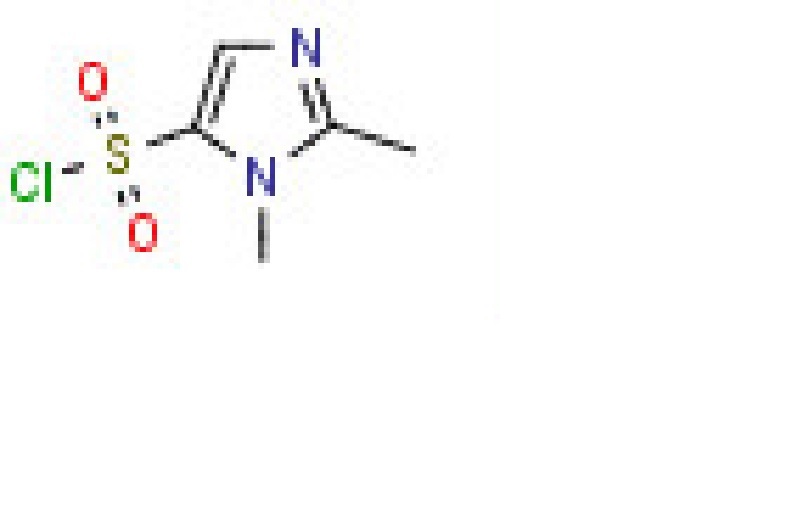
Chemical Name:1,2-Dimethyl-1h-imidazole-5-sulphonyl chloride
Synonyms :1,2-Dimethyl-1H-imidazole-5-sulphonylchloride
CAS No : 849351-92-4
Purity : 95%
MolecularFormula : C5H7ClN2O2S
Molecular Weight:194.6
Appearance : SolidSulfonylation Reagent for Advanced SynthesisThis compound serves as an efficient sulfonylation reagent, enabling the introduction of sulfonyl groups into various organic molecules. Renowned in academic and industrial settings, it plays a pivotal role in producing complex molecules for pharmaceuticals and specialty chemicals.
Safety and Handling PrecautionsDue to its hazardous and toxic nature, handling 1,2-Dimethyl-1H-imidazole-5-sulphonyl chloride requires protective gloves and avoidance of skin or respiratory exposure. Always use in well-ventilated environments and keep it sealed in moisture-resistant HDPE containers.
Reliable Storage and Shelf LifeMaintain product efficacy by storing it in a cool, dry place, tightly closed and protected from moisture. Under these conditions, it offers a shelf life of up to two years. Proper storage reduces decomposition risk and preserves its reactivity for synthetic applications.
FAQs of 1,2-Dimethyl-1h-imidazole-5-sulphonyl chloride:
Q: How should 1,2-Dimethyl-1H-imidazole-5-sulphonyl chloride be stored to maintain stability?
A: Keep the compound in a cool, dry, and tightly closed container, away from moisture and direct sunlight. Using the supplied sealed HDPE bottle or vial significantly helps preserve its stability for up to two years.
Q: What are the primary applications of this chemical in organic synthesis?
A: It is primarily used as a sulfonylation reagent, enabling the introduction of sulfonyl groups into organic molecules during pharmaceutical, agrochemical, and chemical research processes.
Q: When is it necessary to wear gloves while handling this product?
A: Protective gloves should always be worn when handling 1,2-Dimethyl-1H-imidazole-5-sulphonyl chloride, as it is toxic and can cause harm upon skin contact.
Q: Where can this product typically be used or processed safely?
A: This compound should be handled and used exclusively in professional laboratory or industrial environments equipped with suitable ventilation and safety protocols for toxic substances.
Q: What precautions should be observed during the transport of this chemical?
A: It must be transported under UN 2923, hazard class 8/6.1, in its original sealed HDPE container to prevent moisture exposure or accidental contact, conforming to relevant transportation regulations.
Q: How is the reagent beneficial to synthetic chemists?
A: Its high purity and reactivity with nucleophiles make it valuable for reliable sulfonyl group introduction, facilitating the development of more complex chemical structures and pharmaceutical intermediates.
Q: What is the process if moisture comes into contact with the compound?
A: If exposed to moisture, the compound may decompose or react, potentially losing effectiveness. Dispose of any compromised material according to hazardous waste regulations and replace with fresh product for consistent results.







 Send Inquiry
 Send Inquiry
 Send SMS


