Product Description
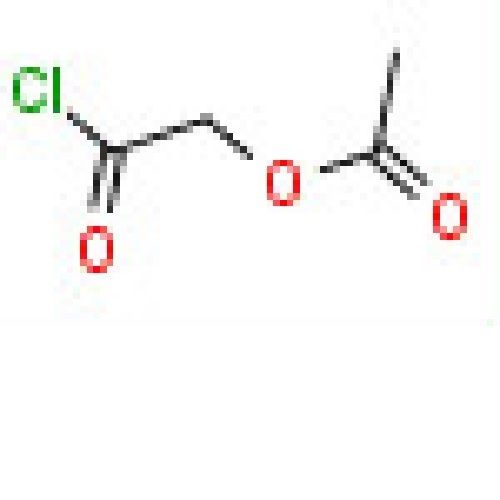
Chemical Name: Acetoxyacetylchloride
Synonyms :2-Chloro-2-oxoethylacetate
|Acetoxyacetylchloride|2-Acetoxyacetyl chloride
Cas No : 13831-31-7
Purity : 98%
MolecularFormula : C4H5ClO3
Molecular Weight: 136.5
Appearance:LiquidHandling and Storage PrecautionsAcetoxyacetyl chloride demands strict handling protocols due to its moisture sensitivity and corrosive nature. It must be manipulated only in a well-ventilated fume hood while wearing suitable gloves, goggles, and protective clothing. Sealed containers, preferably made of HDPE or glass, are essential. Storage should occur under a dry inert atmosphere, within the temperature range of 2-8C, to preserve quality and potency.
Applications and Industrial SignificanceWidely used as an acylating agent, acetoxyacetyl chloride plays a pivotal role as an intermediate in pharmaceutical manufacturing and chemical research. Its high reactivity makes it valuable for organic synthesis, particularly in laboratories or industries focused on producing complex molecules where precision and purity are vital. Only experienced professionals should handle this substance due to its hazardous profile.
FAQ's of Acetoxyacetyl chloride:
Q: How should acetoxyacetyl chloride be handled safely in the laboratory?
A: Acetoxyacetyl chloride must always be handled in a well-ventilated fume hood, using appropriate personal protective equipment such as gloves, chemical splash goggles, and a lab coat. Direct contact with skin, eyes, or inhalation of vapors should be strictly avoided due to its corrosive and toxic nature.
Q: What is the primary use of acetoxyacetyl chloride in industry?
A: This compound is primarily utilized as a reagent and acylating agent in organic synthesis, serving as a key intermediate in the production of pharmaceuticals and specialty chemicals, as well as in chemical research environments.
Q: Where and how should acetoxyacetyl chloride be stored to ensure stability?
A: To maintain stability, acetoxyacetyl chloride should be stored in tightly sealed glass or HDPE bottles under a dry inert atmosphere at temperatures between 2-8C. It must be kept away from moisture, water, alcohols, strong bases, and oxidizers.
Q: When does acetoxyacetyl chloride pose the greatest hazard during handling?
A: The greatest hazards arise when acetoxyacetyl chloride is exposed to moisture or incompatible substances, which can result in violent reactions and the release of corrosive gases. Handling spills or procedures outside a fume hood increases risk significantly.
Q: What is the process for producing acetoxyacetyl chloride?
A: Acetoxyacetyl chloride is typically synthesized by reacting acetic anhydride with oxalyl chloride or phosphorus trichloride, following standardized chemical procedures in controlled industrial or laboratory settings.
Q: What are the benefits of using acetoxyacetyl chloride as an intermediate?
A: Its high reactivity and purity-typically above 98%-make it a reliable intermediate for synthesizing complex molecules. This enhances process efficiency and yield in pharmaceutical and fine chemical production, provided it is managed under strict safety protocols.






 Send Inquiry
 Send Inquiry
 Send SMS


