Product Description
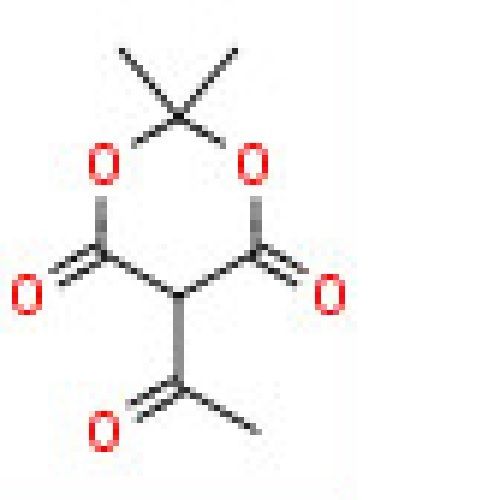
Chemical Name: 5-Acetyl-2,2-dimethyl-1,3-dioxane-4,6-dione
Synonyms :1,3-Dioxane-4,6-dione, 5-acetyl-2,2-dimethyl-
Cas No : 72324-39-1
Purity : 97%
MolecularFormula : C8H10O5
Molecular Weight:186.2
Appearance:SolidVersatile Applications in Research and Industry5-Acetyl-2,2-dimethyl-1,3-dioxane-4,6-dione plays a vital role in pharmaceutical synthesis and organic chemistry research. Its dependable chemical properties enable efficient reactions in multiple industrial and laboratory settings, making it a preferred choice for diverse chemical synthesis processes.
Stable and Safe for Standard HandlingWith no significant hazards identified under routine laboratory use, this compound is stable, non-volatile, odorless, and non-poisonous. Following general laboratory safety protocols, users can confidently store and handle it, ensuring consistent performance over its 24-month shelf life.
FAQ's of 5-Acetyl-2,2-dimethyl-1,3-dioxane-4,6- dione:
Q: How should 5-Acetyl-2,2-dimethyl-1,3-dioxane-4,6-dione be stored for optimal shelf life?
A: This compound should be stored in a cool, dry, well-ventilated location, with its container tightly closed. Following these guidelines ensures product stability and maintains a shelf life of up to 24 months.
Q: What are the primary uses and benefits of Acetyl Meldrum's acid?
A: The chemical is primarily used as an intermediate in pharmaceutical manufacturing, organic chemical synthesis, and research laboratories, offering high purity and stable performance for complex reactions.
Q: When is packaging customization available for this compound?
A: While standard packaging is a 25 kg fiber drum, customized packaging can be arranged per the specific requirements of the customer at the time of order.
Q: Where can I find the structural formula of 5-Acetyl-2,2-dimethyl-1,3-dioxane-4,6-dione?
A: The structural formula can be viewed at the following link: https://cpimg.tistatic.com/9666006/s/4/5-Acetyl-22-dimethyl-13-dioxane-46-dione.jpg.
Q: What precautions should be taken when handling this substance?
A: It is advised to handle the compound following standard laboratory protocols: avoid skin or eye contact and ensure adequate ventilation, although it is not classified as hazardous.
Q: How is 5-Acetyl-2,2-dimethyl-1,3-dioxane-4,6-dione typically used in chemical processes?
A: The compound serves as a reagent in organic synthesis and pharmaceutical intermediate processes, often utilized for its reliable reactivity and solubility in organic solvents such as acetone and methanol.






 Send Inquiry
 Send Inquiry
 Send SMS
 Call Me Free


