Product Description
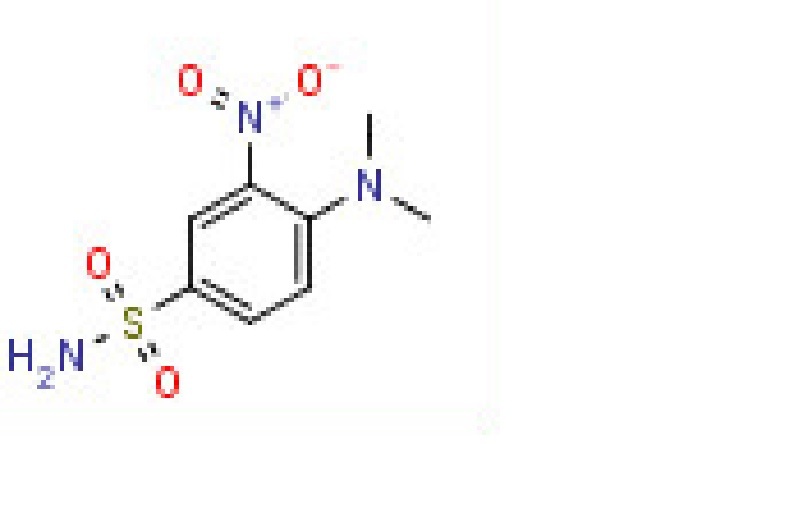
Chemical Name:4-(Dimethylamino)-3-nitrobenzenesulfonamide
Synonyms :4-(Dimethylamino)-3-nitrobenzenesulfonamide
CAS No : 16611-56-6
Purity : 97%
MolecularFormula : C8H11N3O4S
Molecular Weight:245.3
Appearance : SolidVersatile Intermediate for Research and Industry4-(Dimethylamino)-3-nitrobenzenesulfonamide serves a critical role as a pharmaceutical intermediate and research reagent. Its strong electron-withdrawing properties and monoclinic structure facilitate its integration into complex organic syntheses. Laboratories and chemical manufacturers in India benefit from its consistently high purity and stable nature.
Safe Handling and Storage RecommendationsDue to its poisonous nature and irritant properties, it is imperative to handle this compound with gloves and eye protection. Store it in a cool, dry area, ideally between 28C, in a tightly sealed HDPE or glass container to maintain its stability and shelf life (24 months). The product is non-regulated during transport but should not be ingested or inhaled.
FAQs of 4-(Dimethylamino)- 3-nitrobenzenesulfonamide:
Q: How should 4-(Dimethylamino)-3-nitrobenzenesulfonamide be safely stored?
A: Store this compound in a cool, dry place at 28C in a well-sealed HDPE or glass bottle. Ensure the storage area is ventilated and away from incompatible substances. Strictly avoid moisture to maintain product purity.
Q: What are the main applications of this compound in chemical research?
A: This substance is primarily used as an intermediate in pharmaceutical synthesis and diverse organic synthesis pathways, owing to its strong electron-withdrawing groups and stable crystalline form.
Q: When is this product considered stable for use?
A: 4-(Dimethylamino)-3-nitrobenzenesulfonamide remains stable under recommended storage conditions (28C, dry, sealed container) for up to 24 months, retaining its analytical grade properties.
Q: Where can this product typically be sourced?
A: Suppliers and traders of laboratory chemicals in India commonly offer this compound in analytical or reagent grade quality, packed in secure bottles suitable for research and industrial use.
Q: What is the process for handling potential exposure to this compound?
A: In case of accidental ingestion or contact, seek immediate medical attention, as the compound is harmful and irritating. Use appropriate personal protective equipment during handling to avoid exposure.
Q: What advantages does it offer for organic synthesis?
A: Its purity (98%) and robust electron-withdrawing groups make it highly effective in driving reactions within pharmaceutical and chemical research, enhancing yield and facilitating reaction specificity.






 Send Inquiry
 Send Inquiry
 Send SMS


