Product Description
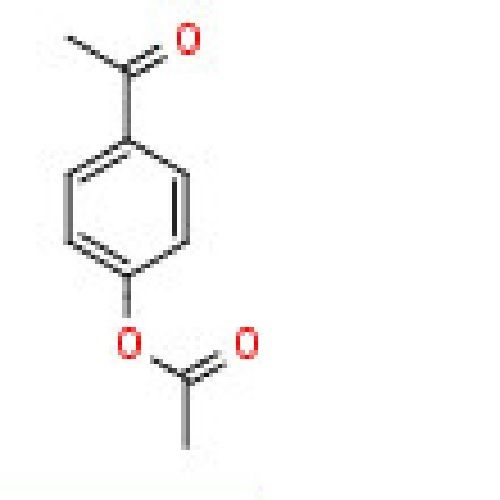
Chemical Name: 4-Acetylphenylacetate
Synonyms :4-Acetylphenyl acetate
|4'-Acetoxyacetophenone
|4-Acetoxyacetophenone
|p-Acetylphenyl acetate
Cas No : 13031-43-1
Purity : 98%
MolecularFormula : C10H10O3
Molecular Weight:178.2
Appearance:SolidProduct Overview4-Acetylphenyl acetate, also known as p-Acetylphenyl acetate or 4-Acetoxyacetophenone, is an aromatic ester with a mild aromatic odor and slightly acidic properties. It is provided primarily for chemical research, synthesis, and as a pharmaceutical intermediate. This compound is stable at room temperature in closed containers and should be stored in cool, dry, and well-ventilated conditions.
Applications and UsageThis compound serves as an intermediate in the synthesis of various pharmaceuticals and organic compounds, making it valuable for research laboratories, academia, and the chemical industry. Its solubility in organic solvents like ethanol, ether, and chloroform enables diverse applications in synthesis. Due to its analytical and industrial grade purity, it is ideal for demanding laboratory environments.
Safety and Handling PrecautionsAlthough 4-Acetylphenyl acetate is not classified as hazardous, it may cause mild irritation upon contact. It is essential to avoid inhalation, ingestion, and skin or eye exposure. Proper personal protective equipment, such as gloves and goggles, should be used during handling. In case of accidental contact or spill, wash thoroughly and seek medical advice if irritation occurs.
FAQ's of 4-Acetylphenyl acetate:
Q: How should 4-Acetylphenyl acetate be handled safely in the laboratory?
A: 4-Acetylphenyl acetate should be handled using standard laboratory precautions, including the use of gloves, goggles, and protective clothing. Avoid inhaling, ingesting, or allowing the compound to come into contact with your skin or eyes. Work in a well-ventilated area or under a fume hood.
Q: What are the typical applications of 4-Acetylphenyl acetate?
A: This compound is primarily used as an intermediate in the synthesis of pharmaceuticals and other organic compounds. It is also employed for chemical research in laboratories and has utility in industrial synthesis processes.
Q: Where is 4-Acetylphenyl acetate commonly stored, and what are the recommended storage conditions?
A: 4-Acetylphenyl acetate should be stored in a cool, dry, and well-ventilated location, away from incompatible substances. Keep the container tightly closed to maintain stability and ensure a shelf life of up to two years.
Q: When is a Certificate of Analysis available for 4-Acetylphenyl acetate?
A: A Certificate of Analysis (COA) for 4-Acetylphenyl acetate is available upon request at the time of purchase or inquiry to verify purity and quality certifications.
Q: What are the benefits of using 4-Acetylphenyl acetate in chemical synthesis?
A: Its high purity (>98%), stability under normal conditions, and solubility in organic solvents make 4-Acetylphenyl acetate an excellent choice for reproducible and efficient synthesis of complex molecules.
Q: How is 4-Acetylphenyl acetate typically packaged and transported?
A: The compound is packaged in plastic or glass bottles, available in 25 g, 100 g, or custom sizes. It is classified as non-hazardous for transport and should be handled with conventional care during shipping.
Q: Can 4-Acetylphenyl acetate be used directly for consumption or food applications?
A: No, 4-Acetylphenyl acetate is not intended for consumption or food-related applications. It is designed for laboratory and industrial use only, as it may cause irritation if ingested or upon direct contact.






 Send Inquiry
 Send Inquiry
 Send SMS


