Product Description
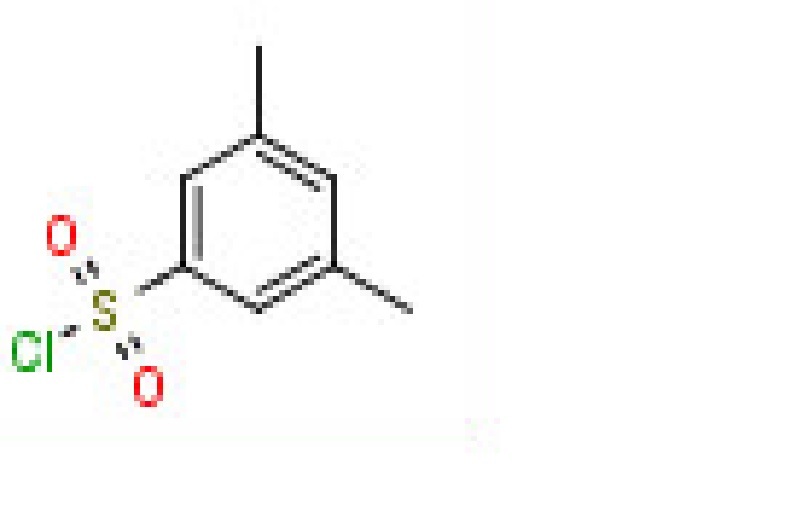
3,5-Dimethylbenzenesulfonyl chloride
Synonyms : 3,5-dimethylbenzene-1-sulfonylchloride
CAS No : 2905-27-3
Purity : 98%
MolecularFormula :C8H9ClO2S
Molecular Weight:204.7
Appearance : SolidApplications in Chemical Synthesis3,5-Dimethylbenzenesulfonyl chloride serves as a critical intermediate in various organic syntheses. Its utility is most pronounced in the formation of sulfonic acids, pharmaceuticals, and agrochemicals. The compound's high reactivity greatly benefits the production processes that require efficient sulfonation and chlorination steps, streamlining the creation of specialized molecules for research and industry.
Safe Handling and Storage RecommendationsDue to its corrosive and moisture-sensitive nature, this compound must be handled using personal protective equipment, with all procedures performed in a well-ventilated fume hood. For storage, tightly sealed containers made of compatible materials such as glass or HDPE protect it from air and moisture infiltration. Observing the strict storage guidelines helps preserve its reactivity and ensures a usable shelf life of up to two years.
FAQ's of 3,5-Dimethylbenzenesulfonyl chloride:
Q: How should 3,5-Dimethylbenzenesulfonyl chloride be safely handled during laboratory or industrial processes?
A: Always handle 3,5-Dimethylbenzenesulfonyl chloride with personal protective equipment, including gloves, goggles, and lab coats. Work in a fume hood to avoid inhaling its pungent, irritating vapors. Take care to avoid skin and eye contact, as it is corrosive and can cause severe tissue damage.
Q: What is the primary usage of 3,5-Dimethylbenzenesulfonyl chloride in chemical applications?
A: This compound is mainly used as a sulfonating and chlorinating agent, acting as an intermediate in the synthesis of pharmaceuticals and agrochemicals. Its reactivity facilitates the creation of compounds essential for both research and industrial manufacturing.
Q: When does 3,5-Dimethylbenzenesulfonyl chloride pose a hazard and what incompatibilities exist?
A: Hazards arise if the chemical comes into contact with water, alcohols, strong bases, or oxidizing agents, as it reacts vigorously and releases corrosive byproducts like HCl. It's classified as corrosive (Transport Class 8) and should only be used with materials and chemicals that are compatible and inert to sulfonyl chlorides.
Q: Where should this compound be stored to ensure stability and longevity?
A: Store the chemical in a cool, dry, and well-ventilated area, preferably in tightly sealed glass or HDPE containers. Protection from moisture, heat, and incompatible substances is essential to maintain its purity and prevent decomposition or hazardous reactions.
Q: What is the benefit of using 3,5-Dimethylbenzenesulfonyl chloride in research and industrial applications?
A: Its high purity, strong reactivity, and ability to efficiently introduce sulfonyl and chlorinated functional groups offer significant advantages for devising new molecules in pharmaceuticals, agrochemicals, and advanced synthetic research.
Q: How does 3,5-Dimethylbenzenesulfonyl chloride behave in the presence of water, and what safety measures are required?
A: When exposed to moisture or water, the compound decomposes by hydrolysis, resulting in the formation of hydrochloric acid and the corresponding sulfonic acid. All handling should be done in dry conditions, with strict avoidance of water contact to minimize risks of corrosive reactions.






 Send Inquiry
 Send Inquiry
 Send SMS
 Call Me Free


