Product Description
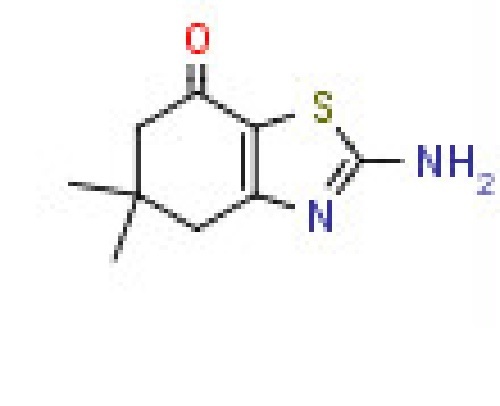
Chemicalname: 2-Amino-5,5-dimethyl-5,6-dihydro-4h-benzothiazol-7-one
Cas no: 1629-95-4
Purity: 98%
Molecular formula: C9H12N2OS
Molecular Weight: 196.3
Appearance: Solid
Key Features and ApplicationsThis compound is recognized for its stability and high purity, making it an excellent choice for use as an intermediate in pharmaceutical and agrochemical synthesis. Its role extends to specialty chemical production, where its chemical characteristics support diverse research and industrial applications.
Safe Handling and Storage GuidelinesAlthough not classified as a hazardous material, this compound should be handled with care. It may cause irritation upon contact with eyes, skin, or if inhaled. Always wear appropriate protective clothing and gloves, and store the material in a cool, dry, well-ventilated location protected from light and strong oxidizing agents to ensure optimal shelf life and stability.
Packaging and AvailabilitySupplied primarily in 25 kg fiber drums, the packaging can be tailored according to customer requirements. With a shelf life of two years under recommended storage conditions, it remains a dependable option for bulk handling and extended research projects.
FAQ's of 2 -Amino-5,5-dimethyl-5,6-dihydro-4h-benzothiazol-7-one:
Q: How should 2-Amino-5,5-dimethyl-5,6-dihydro-4H-benzothiazol-7-one be safely stored and handled?
A: Store the compound in a cool, dry, and well-ventilated area away from direct sunlight and strong oxidizing agents. When handling, use suitable protective clothing and gloves to minimize the risk of irritation to the eyes, skin, and respiratory tract.
Q: What are the primary applications of this compound?
A: This compound is mainly used as an intermediate in the pharmaceutical and agrochemical industries, as well as a precursor in specialty chemical synthesis. It is suitable for research and manufacturing purposes.
Q: When is this product best used?
A: It is best employed during the synthesis phase of pharmaceutical, agrochemical, or specialty chemicals manufacturing, or for laboratory research that requires high-purity intermediates.
Q: Where can this compound be utilized effectively?
A: It is effective in research laboratories, chemical manufacturing plants, and production facilities that focus on pharmaceuticals, agrochemicals, and custom specialty chemicals.
Q: What is the recommended process for disposing of unused material?
A: Unused or waste material should be disposed of in accordance with local environmental regulations. Avoid releasing it into the environment; consult your facility's waste management protocols for chemical disposal.
Q: Who benefits from using this chemical?
A: Chemical researchers, pharmaceutical developers, agrochemical producers, and specialty chemical manufacturers gain significant benefits by incorporating this high-purity and stable intermediate into their workflows.






![(Z)-2-Amino-alpha-[1-(tert-butoxycarbonyl)]-1-methylethoxyimino-4-thiazolacetic acid](https://cpimg.tistatic.com/11320883/b/5/-Z-2-Amino-alpha-1-tert-butoxycarbonyl-1-methylethoxyimino-4-thiazolacetic-acid.jpg?tr=w300)
![2-Amino-6-chloro-4-(trifluoromethyl) benzo[d]thiazole](https://cpimg.tistatic.com/11915649/b/4/2-Amino-6-chloro-4-trifluoromethyl-benzo-d-thiazole.jpg?tr=w300)
 Send Inquiry
 Send Inquiry
 Send SMS
 Call Me Free


