Product Description
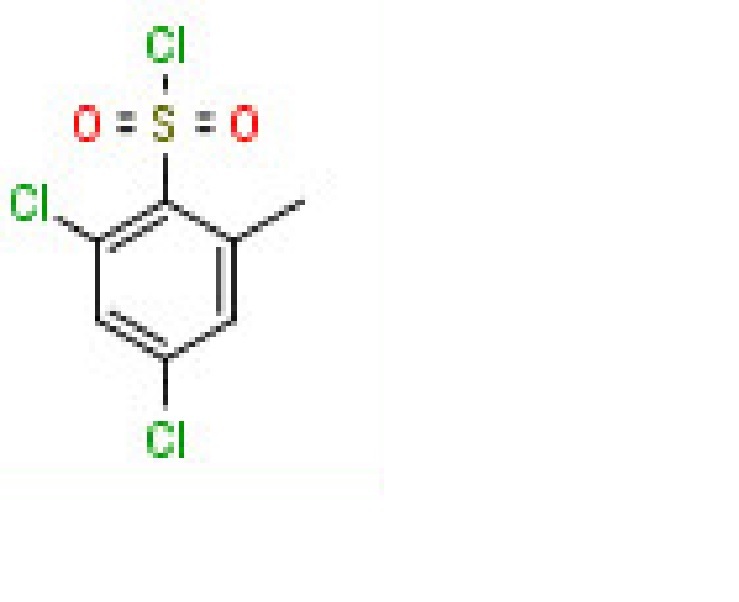
Chemical Name:2,4-Dichloro-6-methylbenzenesulphonyl chloride
Synonyms : 2,4-dichloro-6-methylbenzenesulfonyl chloride
CAS No : 175278-26-9
Purity : 98%
MolecularFormula : C7H5Cl3O2S
Molecular Weight: 295.9
Appearance : SolidChemical Properties and CompositionThis compound, supplied with a purity greater than 98%, presents as a white to off-white crystalline solid. It is sensitive to moisture and emits a pungent odor. It has a molecular formula of C7H5Cl2O2S and a measured density of 1.5 g/cm3. Its stability is maintained under cool, dry storage conditions away from water or high temperatures.
Safe Handling and Storage GuidelinesDue to its hazardous nature-it causes eye and skin irritation and is harmful if inhaled-users must handle this chemical in a fume hood, wearing personal protective equipment. It is packed in tightly sealed HDPE drums, kept in a well-ventilated, shaded space, and exhibits a one-year shelf life under proper storage.
Applications and Industrial Usage2,4-Dichloro-6-methylbenzenesulphonyl chloride serves as a valuable intermediate for manufacturing pharmaceuticals, agrochemicals, and various organic compounds. Its high purity and reliable composition ensure consistent results in chemical syntheses, making it a favored choice for both research and industrial purposes.
FAQ's of 2,4-Dichloro-6-methylbenzenesulphonyl chloride:
Q: How should 2,4-Dichloro-6-methylbenzenesulphonyl chloride be safely handled and stored?
A: This compound must be handled with proper personal protective equipment, such as gloves, goggles, and lab attire, and always inside a fume hood to prevent inhalation. For storage, keep the container tightly sealed in a cool, dry, and well-ventilated place, away from moisture sources and incompatible materials.
Q: What are the main industrial uses of this chemical?
A: It is primarily used as an intermediate in chemical synthesis, specifically in the production of pharmaceuticals and agrochemicals. It plays a critical role in creating more complex organic molecules in industrial manufacturing and research applications.
Q: Where is this compound typically packaged and distributed from?
A: Supplied and distributed by chemical suppliers and traders in India, the product is packaged in HDPE drums of 25 kg net weight or customized according to customer requirements for secure and moisture-free transportation.
Q: What precautions should be taken during the transport of this material?
A: When transporting, adhere to the UN 3261, Class 8, Packing Group II guidelines for hazardous materials. Packaging in robust HDPE drums is essential, and shipping should be managed by trained personnel to ensure safety and regulatory compliance.
Q: When is it appropriate to use this chemical in research or manufacturing?
A: It should be used only by qualified professionals in controlled environments, including research laboratories and industrial chemical plants, for the synthesis of pharmaceuticals, agrochemicals, or related chemical compounds. It is not meant for non-industrial or household use.
Q: What should be done in case of accidental contact or exposure?
A: If skin or eye contact occurs, immediately rinse the affected area with plenty of water for at least 15 minutes and seek medical attention. For inhalation exposure, move to fresh air at once and consult a healthcare provider, even if symptoms do not immediately appear.
Q: What are the benefits of using this compound as an intermediate in synthesis?
A: Its high purity and reliable composition enhance the efficiency and outcome of complex organic syntheses, resulting in higher yields and product consistency, which is especially beneficial in the pharmaceutical and agrochemical industries.








 Send Inquiry
 Send Inquiry
 Send SMS
 Call Me Free


