Product Description
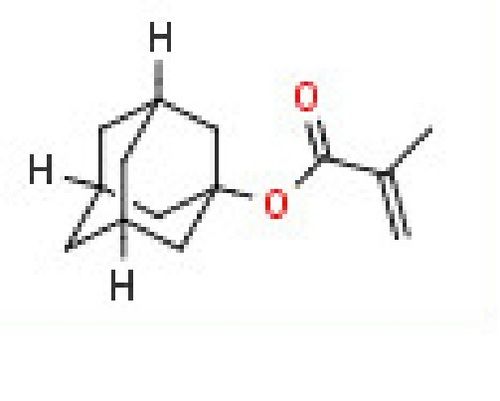
Chemical Name: 1-Adamantylmethacrylate
Synonyms :1-ADAMANTYL METHACRYLATE
| Adamantan-1-yl methacrylate
| 1-adamantyl 2-methylprop-2-enoate
| Adamant-1-yl methacrylate
Cas No : 16887-36-8
Purity : 97%
MolecularFormula : C14H20O2
Molecular Weight:220.3
Appearance:LiquidKey Features and Benefits1-Adamantyl methacrylate is highly valued for its exceptional purity (98%) and readiness to polymerize, enabling the development of specialized polymers and coatings. Its stability is maintained with trace inhibitors, making it a reliable choice for research and industrial applications. The crystalline powder form ensures manageable handling and precise blending in various formulations.
Proper Handling and Safe StorageFor optimum performance and safety, store this material in tightly closed containers, away from sunlight and ignition sources, in a well-ventilated, dry, and cool environment. Handling should be in ventilated areas, avoiding inhalation or direct contact with skin and eyes. The product is non-poisonous under standard use but should not be ingested or inhaled.
FAQ's of 1-Adamantyl methacrylate:
Q: How should 1-Adamantyl methacrylate be properly handled and stored?
A: Handle this compound in a well-ventilated area, using appropriate personal protective equipment to avoid inhalation and skin or eye contact. Store it in a tightly closed container, in a cool, dry, and ventilated place, away from sunlight and ignition sources to preserve its stability and prolong shelf life.
Q: What are the primary applications and benefits of using 1-Adamantyl methacrylate?
A: This material is primarily used as a co-monomer in the production of specialty polymers, adhesives, advanced coatings, and other industrial polymer materials. Its high purity, reliable polymerizability, and stability make it advantageous for precise research, development, and commercial manufacturing processes.
Q: When can polymerization of 1-Adamantyl methacrylate occur and how is it inhibited?
A: Polymerization may occur if the compound is stored improperly or exposed to heat, light, or initiators; however, it is typically stabilized by trace amounts of inhibitors such as methyl ethyl hydroquinone (MEHQ) added during packaging. Following recommended storage practices helps prevent unwanted polymerization.
Q: Where is 1-Adamantyl methacrylate typically packaged and supplied from?
A: This product is generally packaged in sealed HDPE bottles or aluminum foil bags to prevent contamination and moisture ingress. It is supplied by specialized chemical suppliers and traders, particularly in India, catering to both industrial and research-grade requirements.
Q: What is the recommended process for dissolving 1-Adamantyl methacrylate?
A: For most laboratory and industrial uses, dissolve the compound in organic solvents such as ethanol, dichloromethane, or acetone, where it exhibits good solubility. It is only slightly soluble in water, so organic solvents are preferred for efficient blending in polymer synthesis and formulation activities.
Q: What are the handling precautions and environmental considerations for this compound?
A: Although not classified as hazardous or environmentally dangerous, it is essential to use with good ventilation and avoid ingestion, inhalation, and unnecessary skin or eye exposure. The product is stable and safe under recommended conditions, with no special environmental hazard classifications.






![2-Amino-7h-pyrrolo[2,3-d]pyrimidin-5-carboxylic acid](https://cpimg.tistatic.com/09970114/b/4/2-Amino-7h-pyrrolo-2-3-d-pyrimidin-5-carboxylic-acid.jpg?tr=w300)
 Send Inquiry
 Send Inquiry
 Send SMS
 Call Me Free


