Product Description
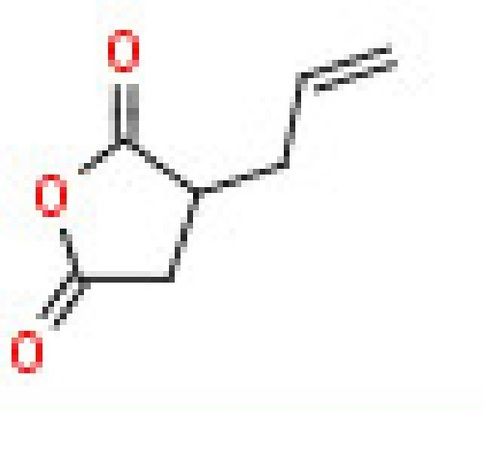
Chemical Name: Allylsuccinicanhydride
Synonyms :Allylsuccinic anhydride
| 3-Allyldihydrofuran-2,5-Dione
| Succinic anhydride, allyl-
| 3-prop-2-enyloxolane-2,5-dione
Cas No : 7539-12-0
Purity : 97%
MolecularFormula : C7H8O3
Molecular Weight:140.1
Appearance:LiquidKey FeaturesAllylsuccinic anhydride offers outstanding purity (98% min), robust reactivity, and versatility for use in diverse organic syntheses. Its solid crystalline form lends itself well to handling and precise measurement. The product is supplied in high-density poly bottles, sealed glass bottles, or drums, supporting convenient storage and transport. Certified under REACH and compliant with current legislation, the product ensures reliability, safety, and quality for industrial applications.
Safe Handling and StorageGiven its harmful effects if inhaled and potential for skin and eye irritation, appropriate safety gear, including gloves and respiratory protection, is recommended when handling Allylsuccinic anhydride. Store it tightly sealed in a cool, dry environment away from moisture and incompatible substances like strong oxidizing agents. Following best practices will help maintain its quality and prolong shelf life.
Applications and BenefitsThis compound serves as an effective intermediate in organic synthesis, particularly valuable in pharmaceutical and agrochemical industries. Its high reactivity streamlines complex chemical build-ups, leading to more efficient processes. Used as a reliable building block, it enables the production of advanced molecules, ensuring flexibility for various research and commercial needs.
FAQ's of Allylsuccinic anhydride:
Q: How should Allylsuccinic anhydride be safely handled during use?
A: When working with Allylsuccinic anhydride, use appropriate safety equipment such as gloves, safety goggles, and a suitable respirator. Avoid inhalation and prevent any contact with skin or eyes. Handle the compound in a well-ventilated area or fume hood, and follow all relevant safety guidelines.
Q: What is the primary benefit of using Allylsuccinic anhydride in chemical synthesis?
A: Allylsuccinic anhydride is highly reactive, making it an excellent building block in the synthesis of fine chemicals, pharmaceuticals, and agrochemicals. Its reactivity streamlines chemical processes, allowing for efficient synthesis of complex molecules.
Q: Where should Allylsuccinic anhydride be stored to maintain its stability?
A: Store Allylsuccinic anhydride tightly capped in a cool, dry place away from moisture and sources of strong oxidizers. Moisture sensitivity requires careful storage to prevent degradation and maintain stability.
Q: When does Allylsuccinic anhydride degrade or lose efficacy?
A: Allylsuccinic anhydride is stable under recommended storage conditions, but exposure to moisture or heat can lead to decomposition. To ensure maximum shelf life (2 years), keep it stored as directed and check for any changes in appearance before use.
Q: What are the recommended packaging types for Allylsuccinic anhydride?
A: Allylsuccinic anhydride is typically supplied in high-density polyethylene bottles, sealed glass bottles, or drums. These packaging options ensure product integrity and protect against moisture ingress during storage and transport.
Q: How is Allylsuccinic anhydride transported, and are there any regulations to consider?
A: Allylsuccinic anhydride is non-regulated under ADR, RID, IMDG, and IATA transport guidelines, making it straightforward to ship. However, it should still be packaged securely and handled appropriately to prevent exposure or spills.






![4-Azaspiro[2.4]heptane hemioxalate](https://cpimg.tistatic.com/10042018/b/4/4-Azaspiro-2-4-heptane-hemioxalate.jpg?tr=w300)
 Send Inquiry
 Send Inquiry
 Send SMS
 Call Me Free


