Product Description
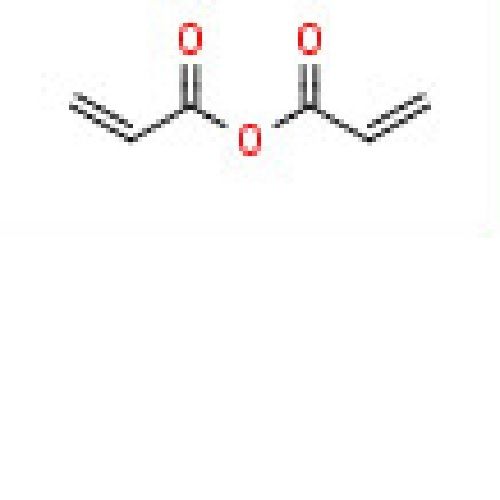
Chemical Name: Acrylicanhydride
Synonyms :prop-2-enoyl prop-2-enoate
| Acryloxide
| Acrylic acid anhydride
Cas No : 2051-76-5
Purity : 97%
MolecularFormula : C6H6O3
Molecular Weight:126.1
Appearance:LiquidCritical Properties and HazardsAcrylic anhydride is known for its highly reactive nature, pungent odor, and toxicity. It is moisture-sensitive, unstable in the presence of water, and can polymerize upon contact with it. Due to its corrosive and lachrymatory characteristics, this chemical must be handled with high caution, using appropriate protective gear in a well-ventilated or inert atmosphere.
Packaging and Storage GuidelinesTo maintain product integrity, acrylic anhydride is supplied in HDPE drums or customized glass bottles, tightly sealed to prevent moisture ingress. Store it in a dry, cool, and well-ventilated facility, away from water, strong bases, and oxidizers. Under recommended conditions, the product retains its stability and performance for up to 12 months.
Industrial Applications and UsageServing as a valuable intermediate, acrylic anhydride is used in manufacturing acrylic polymers, adhesives, resins, and coatings. Its powerful reactivity results in efficient synthesis processes, but meticulous control is essential to avoid hazardous polymerization or toxic exposure. Strict adherence to operational safety protocols ensures optimal usage in industrial settings.
FAQ's of Acrylic anhydride:
Q: How should acrylic anhydride be safely handled during industrial processes?
A: Acrylic anhydride must be handled in a well-ventilated or inert atmosphere using full protective equipment, including chemical-resistant gloves and eye protection. Strictly avoid contact with water and incompatible substances like strong bases or oxidizers. Due to its toxic and lachrymatory nature, ensure proper containment and emergency procedures are in place.
Q: What precautions are necessary for the storage of acrylic anhydride?
A: Store acrylic anhydride in tightly closed HDPE drums or glass bottles in a cool, dry, and well-ventilated area. Keep it away from moisture, heat sources, bases, and oxidizing agents to prevent dangerous reactions. Adhering to these storage guidelines ensures a shelf life of up to 12 months.
Q: When is acrylic anhydride typically used in industrial settings?
A: Acrylic anhydride is used under controlled conditions during the synthesis of acrylic polymers, adhesives, resins, and specialty coatings. Its application is generally restricted to industrial environments with established safety protocols, given its highly reactive and hazardous profile.
Q: What are the primary benefits of using acrylic anhydride in chemical synthesis?
A: Acrylic anhydride offers significant efficiency and reactivity benefits in the production of acrylic-based products. Its use results in high-quality polymers and adhesives, making it a preferred intermediate in industrial manufacturing due to the reliability and performance it imparts to finished goods.
Q: Where can acrylic anhydride be sourced, and how is it packaged?
A: Acrylic anhydride is available from specialized chemical suppliers and traders in India. It is packaged in moisture-resistant, tightly sealed HDPE drums or customizable glass bottles, ensuring safe transport and storage according to customer requirements.
Q: What is the process to clean up spills and handle accidental exposure to acrylic anhydride?
A: In the event of a spill, evacuate the area and ventilate. Put on full protective gear and absorb the liquid with inert material. Contain and dispose of according to local hazardous waste regulations. For accidental exposure, move the affected person to fresh air, rinse skin or eyes with clean water for at least 15 minutes, and seek immediate medical attention.






![2-Allyl-1-(tert-butoxycarbonyl)-2,3-dihydro-1H-benzo[d]imidazole-2-carboxylic acid](https://cpimg.tistatic.com/09707127/b/4/2-Allyl-1-tert-butoxycarbonyl-2-3-dihydro-1H-benzo-d-imidazole-2-carboxylic-acid.jpg?tr=w300)
![(3S,3Ar,5r,6ar,7r)-6-iodo-2-oxooctahydro-3,5-methanocyclopenta[b]pyrrole-7-carboxylic acid](https://cpimg.tistatic.com/10008394/b/4/-3S-3Ar-5r-6ar-7r-6-iodo-2-oxooctahydro-3-5-methanocyclopenta-b-pyrrole-7-carboxylic-acid.jpg?tr=w300)
 Send Inquiry
 Send Inquiry
 Send SMS


